网页
综合
更新时间 2026-11-16 00:27:53
Strengthening Safety & Quality
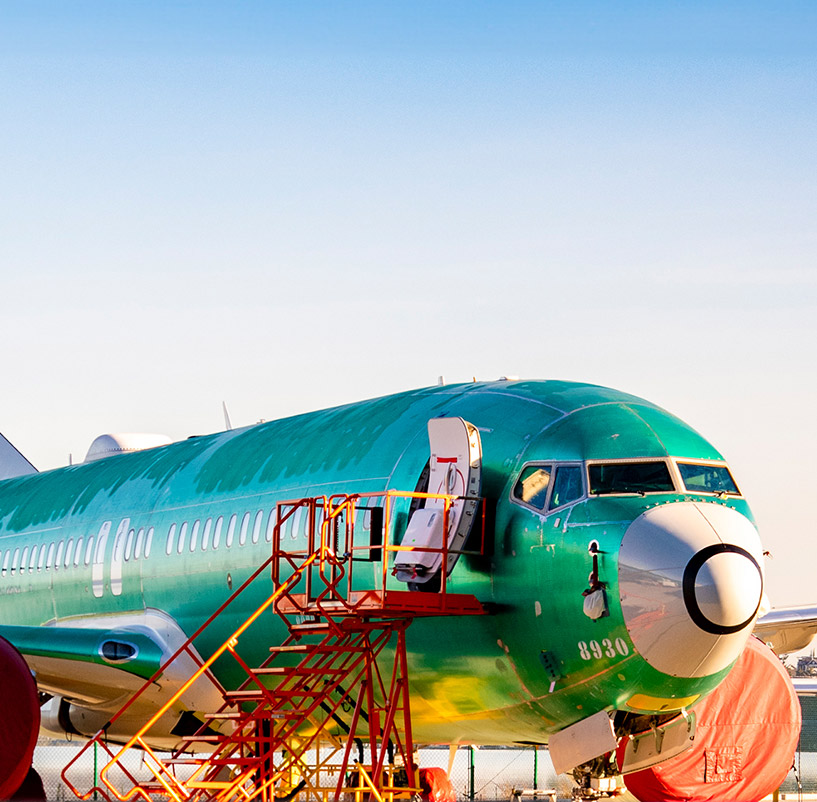
Boeing continues to deploy a Safety & Quality Plan across the company to strengthen our safety management and quality assurance. The plan focuses on investing in workforce training, simplifying plans and processes, eliminating defects, and elevating our safety and quality culture. It also has performance indicators to monitor and manage the health of the production system.
Following initial implementation, Boeing this year has been driving improvements deeper into daily operations as the company steps up airplane production and delivers safe, high-quality airplanes on time to global customers.
We remain committed to the plan and driving continuous improvement, which helps make commercial aviation the safest mode of transportation.
A significant component of our Safety & Quality Plan is the identification of six key performance indicators (KPIs) focused on safety and production health:
Each KPI has defined criteria that help identify areas of potential risk to our operations and trigger corrective action through our Safety Management System (SMS). These metrics have helped Boeing conduct more targeted safety risk assessments in priority areas and maintain production health.
Over the past several years, Boeing has introduced a series of enhancements to its factory-floor manufacturing software to simplify tasks, automate routine steps and reduce opportunities for human error. New features include guided data entry, built-in validation checks, easier access to engineering information, and improved tracking of parts and completed work.
Each quarter, Commercial Airplanes teams across Boeing pause their work to hold dedicated conversations about safety and quality. Managers and employees reflect on lessons learned, discuss opportunities for improvement, and identify actionable steps to strengthen safety and quality in the months ahead. These recurring discussions reinforce shared accountability and create a regular forum for open dialogue across the organization.
Boeing Tulsa is expanding its Incident and Injury Free effort to help employees recognize hazards and take action before incidents happen. The sitewide rollout is changing behavior and building a stronger safety culture using storytelling, peer-led training and practical tools that make safety personal and proactive.
Boeing hosted its first companywide product safety conference, bringing together employees from across the business to share lessons learned and practical approaches for identifying and reducing product risk. The event focused on strengthening product safety throughout the entire airplane lifecycle – from design and supplier management to manufacturing and delivery. By creating a forum to exchange proven practices, the conference helps teams apply consistent safety principles across programs and sites.
Over the next three years, Boeing plans to invest $1 billion in its Wichita site to upgrade facilities to enhance the employee experience, expand employee training and strengthen the production system to prepare for higher production rates and delivery of safe, quality airplanes to customers.
A new repair method allows select types of lightning strike and impact damage on 787 airplane wings to be repaired without removing major flight control surfaces. The process, developed through extensive testing and engineering analysis, reduces repairs that once took months to just hours while maintaining the same safety and quality standards. It has already been used successfully to return airplanes to service quicker and reduce the need for replacement parts.
Before production begins on the new 737 production line in Everett, Washington, Boeing is extensively training employees by pairing new mechanics with experienced mentors — using the same proven manufacturing processes from existing work in Renton. The line will intentionally begin with a slower production pace, allowing for additional inspections, validation and adjustments before reaching full production. This measured approach helps establish consistent manufacturing practices and quality standards from the start.
A custom 3D-printed grip, originally designed to help one mechanic better handle a drill guide, proved to improve comfort and control for mechanics more broadly. After testing and refining the design with employees, Boeing began making the tool available more widely to help reduce hand strain and improve drilling precision. The project demonstrates how employee feedback and rapid prototyping can quickly turn practical ideas into production improvements.
Boeing engineers identified the root cause of a corrosion issue that, if left unchecked, could create tiny pits in aluminum fuselage panels during paint removal. Working with a supplier, the team qualified a new paint stripping formula that helps prevent the damage while maintaining performance across a wide range of temperatures. The improvement reduces unnecessary repairs, helping maintenance teams keep airplanes in service.
Boeing Wichita opened a new Safety Dojo, a center for production and office teams to test safety solutions, share best practices and learn new tools to improve workplace safety culture. The center features interactive displays, live demonstrations and hands-on training resources that allow employees to test new tools before they reach the factory floor. This initiative also supports Boeing’s ‘Go for Zero’ goal of eliminating injuries and incidents across the company.
Following feedback from teammates to strengthen workplace safety, Boeing removed several pedestrian walkways at its Renton, Washington site. This improvement helps separate people and vehicles by providing clearer walking paths to lower the chance of incidents and supports Boeing’s values to keep people safe by looking out for each other.
Boeing redesigned its quality manual to make quality requirements easier to understand and apply in day-to-day work. The manual is written in plain language and offers practical examples and links
本页为82搜索生成的网页快照,内容来自站内索引;演示数据的原文链接仅作示例。