网页
综合
更新时间 2025-11-24 15:28:00
The 4 Ps of Marketing: What They Are and How to Use Them | Coursera
在這個單身日致力於職業發展。 享受全年的 Coursera Plus,享受 40% 的折扣。
Learn about this common marketing mix and how to apply it to your next marketing endeavor.
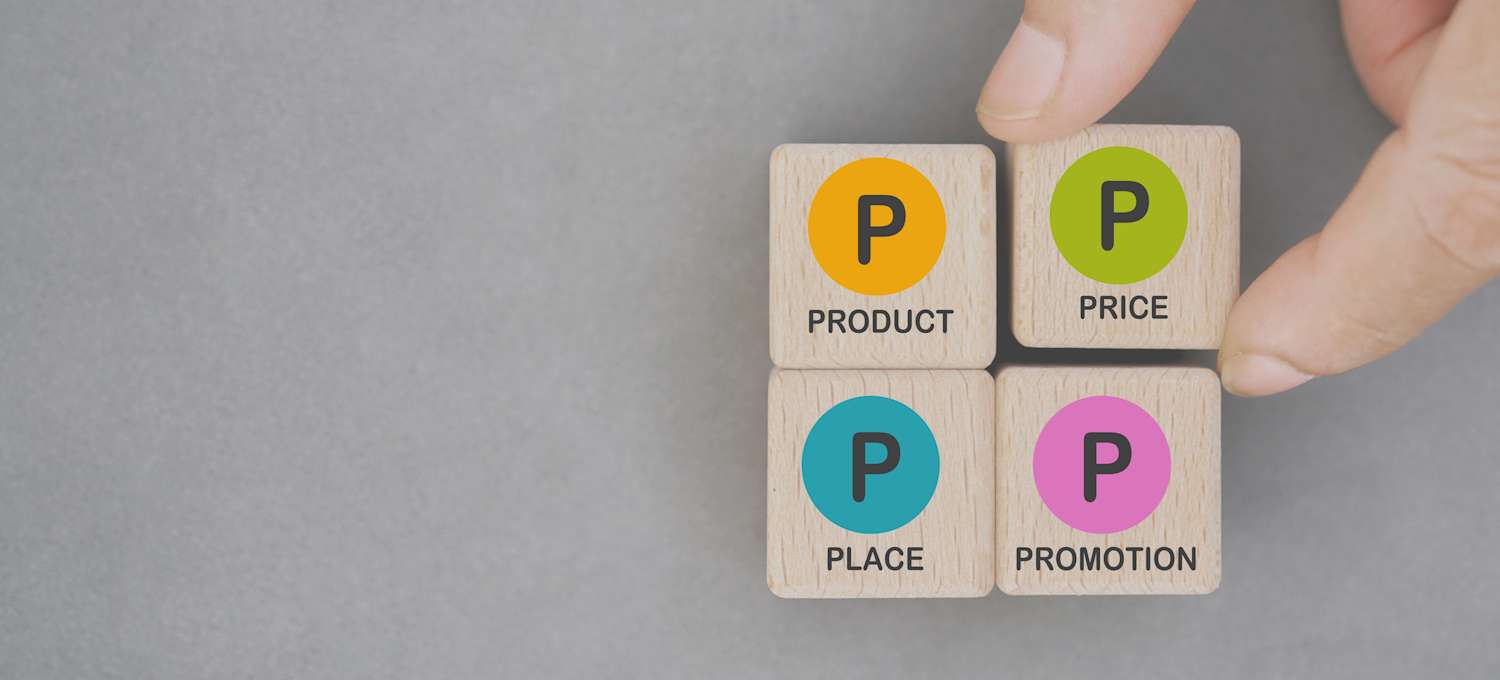
When creating a marketing strategy, companies can control a few important factors to generate interest from new and existing customers. This is known as a "marketing mix." The four Ps are one of the more common marketing mixes and refer to product, price, place, and promotion.
Learn more about the purpose of the 4 Ps, as well as a detailed breakdown of each component. Afterward, if you're interested in learning more and strengthening your subject knowledge, consider enrolling in the Marketing Mix Implementation Specialization from IE Business School.
Marketing professionals use a marketing mix—or a combination of tools and methodologies—to develop strong marketing strategies and achieve their marketing objectives. The four Ps are one type of marketing mix and refer to four factors: product, price, place, and promotion.
E. Jerome McCarthy formally conceptualized the four Ps in his highly influential 1960s text, Basic Marketing: A Managerial Approach [1]. In it, he argued that the mix would help marketers design plans to fit the dynamic social and political realities of their time and target market. The importance of the four Ps involves “developing the ‘right’ product and making it available at the ‘right’ place with the ‘right’ promotion and at the ‘right’ price, to satisfy target consumers and still meet the objectives of the business” [2].
Watch this video for ideas on how the 4 Ps work in a specific industry, like sports:
适合初学者的高分 Marketing Mix 课程,无需任何先决条件。
The four Ps form a dynamic relationship with one another. Rather than one taking priority over the other, each is considered equally important in crafting a strategic marketing plan.
The product is the good or service being marketed to your target audience.
Generally, successful products fill a need not currently being met in the marketplace or provide a novel customer experience that creates demand. For example, the original iPhone filled a need in the market for a simplified device that paired a phone with an iPod, and the Chia Pet provided an utterly unique, humorous experience for consumers.
As you work on your product, consider potential customers in your target audience and their unique needs. Some questions to consider when working on a product include:
What is your product?
What does your product do?
Does the product meet an unfilled need or provide a novel experience?
Who is your product’s target audience?
How is your product different from what others offer?
Price is the cost of a product or service.
When marketing a product or service, it is important to pick a price that is simultaneously accessible to your target market and meets business goals. Different pricing models can have a significant impact on the overall success of a product. For example, if you price your product too high for your targeted audience, then very few of them will likely purchase it. Similarly, if you price your product too low, then some might pass it up simply because they are concerned it might be of inferior quality and cut into your potential profit margins.
To identify a successful price, you will want to thoroughly understand your target audience and their willingness to pay for your product. Some questions you might ask yourself as you are considering your product’s price include:
What is the price range of your product’s competitors?
What is the price range of your target audience?
What price is too high for your audience? What price is too low?
What price best fits your target market?
Place is where you sell your product and the distribution channels you use to advertise to your customers.
Like price, finding the right place to market and sell your product is key to reaching your target audience. If you put your product in a place that your target customer doesn’t visit, then you will likely not meet your sales target. The right place can help you connect with your target audience and set you up for success.
For example, imagine you are selling an athletic shoe you designed. Your target market is athletes in their early twenties to late thirties, so you decide to market your product in sports publications and sell it at specialty athletics stores. By focusing on sports stores over shoe stores in general, you target your efforts to a specific place that best fits your marketing mix.
To decide the best place to market and sell your product, you should consider researching the physical places or digital channels where your target audience shops and consumes information. Some questions to consider include:
Where will you sell your product?
Where does your target audience shop?
What distribution channels are best to reach your target market?
Learn more about popular digital marketing channels.
Promotion is how you advertise your product or service. Through promotional activities, you will get the word out about your product with an effective marketing campaign that resonates with your target audience.
There are many different ways to promote your product. Some traditional methods include word of mouth, print advertisements, and television commercials. In the digital age, you can create online marketing campaigns to promote your product using content marketing, email marketing, display ads, and social media marketing.
Some questions to consider as you are working on your product promotion include:
What is the best time to reach your target audience?
What marketing channels are most effective for your target audience?
What marketing messages would most resonate with your target audience?
What advertising approaches are most persuasive to your target audience?
In marketing, STP typically refers to segmentation, targeting, and positioning. This process refers to how to market specifically to your customers, whether they be existing or new to your brand. You may segment your customers by grouping them by geogra
本页为82搜索生成的网页快照,内容来自站内索引;演示数据的原文链接仅作示例。