网页
综合
更新时间 2026-11-15 00:26:17
Frequently asked questions - Universal Robots
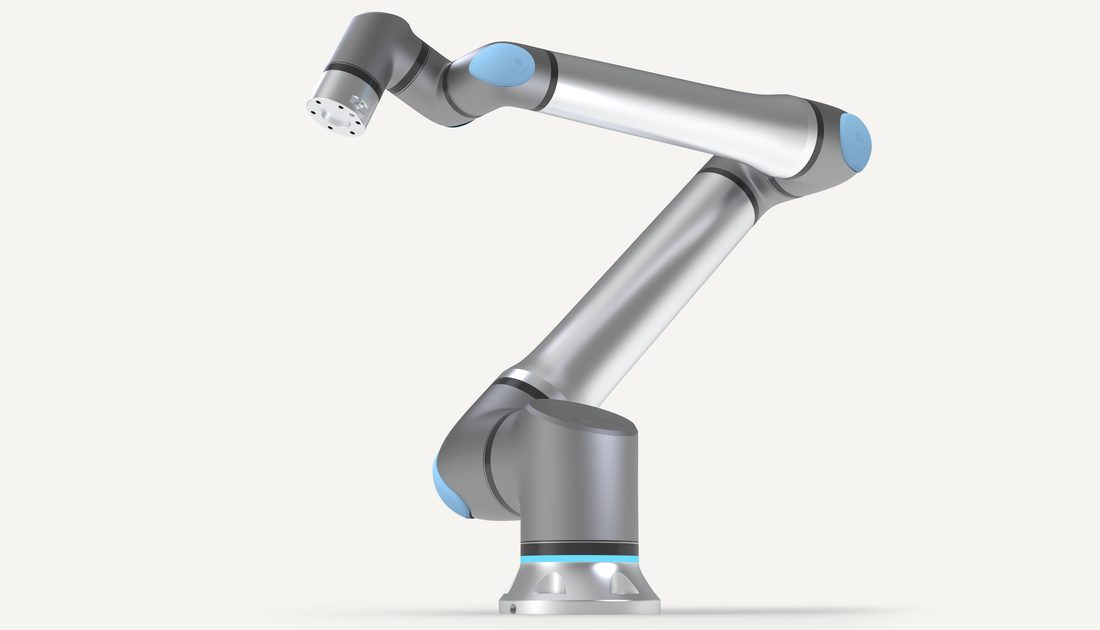
Gen 7 is Universal Robots’ seventh-generation automation platform. It brings together robot arms, controllers, user interfaces, software, cables, and ecosystem solutions into a unified system designed for industrial automation.
Is Gen 7 a new robot family?
No. Gen 7 is a platform rather than a single robot family.
g-Series robots are part of Gen 7, but the platform also includes controllers, software, user interfaces, cables, and ecosystem components designed to work together as a complete system.
What is the difference between Gen 7 and g-Series, e-Series and UR Series?
g-Series, e-Series, and UR Series are robot families. Gen 7 is a platform.
g-Series, e-Series, and UR Series robots refer to specific robot arms, while Gen 7 refers to a broader system architecture that includes robot arms, controllers, software, user interfaces, cables, and ecosystem components.
What products are part of the Gen 7 platform?
The Gen 7 platform combines hardware, software, connectivity, and ecosystem technologies into one automation system.
Components of the Gen 7 platform include:
What is the difference between g-Series, e-Series and UR Series? g-Series is Universal Robots latest robot arm family release as a part of the 7th generation platform in 2026. “g” is the 7th letter of the alphabet as it is the 7th generation robot arm from Universal Robots. It builds on the UR Series design to add power, data, and safety connectivity at the tool flange.
UR Series is Universal Robots 6th generation robot arm family, released in 2022. The UR Series brought a complete arm re-design enabling heavier payloads, longer reaches, faster motion, and higher IP protection for industrial deployment.
e-Series is Universal Robots 5th generation robot arm family, released in 2018 covering lighter payloads and shorter reaches for workbench automation. Its collaborative-industrial arm are dependable and validated by tens of thousands of successful deployments worldwide.
How does Gen 7 support AI-enabled applications? Gen 7 is designed to support the next generation of automation, including AI-enabled applications. The platform brings together PolyScope X, expanded connectivity, and controller options that provide the hardware and software foundation for more advanced automation requirements.
Is Gen 7 designed for industrial environments? Yes.
Gen 7 is designed for deployment in demanding production environments. The platform includes industrial protection ratings across major system components, including:
This helps support reliable operation in environments where dust, moisture, and day-to-day industrial wear are important considerations.
Which robot arms are supported by the Gen 7 platform at launch? At launch, Gen 7 includes the new g-Series robot arms:
Current launch planning also includes support for selected existing Universal Robots arms when paired with compatible Gen 7 hardware. These include:
Supported configurations depend on the robot arm, controller, teach pendant, software, and hardware combination being deployed.
Do I need a new robot arm to use Gen 7? Not necessarily.
Customers may be able to access Gen 7 capabilities by pairing a compatible existing e-Series or UR Series robot arm with Gen 7 hardware and software components. Available configurations depend on the robot model and system setup.
How are UR robot models named now? With the launch of the Gen 7 platform, Universal Robots is introducing a new robot naming logic.
UR robot names now contain payload, robot family, and reach in the name. For example, the UR10g-1750 is a 10 kg payload arm, part of the g-Series robot family, and has a reach of 1750mm.
Select e-Series and UR Series robots are also adopting this new naming logic with Gen 7, but the robot arms themselves remain mechanically unchanged.
What is PolyScope X? PolyScope X is the software platform for Gen 7 systems. It provides a modern user experience, expanded connectivity, and the foundation for future platform capabilities.
Is PolyScope X only available on new g-Series robots? No. PolyScope X is the native software environment for Gen 7 systems, but selected existing e-Series and UR Series arms can also access PolyScope X capabilities when paired with compatible Gen 7 hardware.
What is UR+ and how does it relate to Gen 7? UR+ is the Universal Robots ecosystem of compatible products, software, accessories, and technology partners.
As part of the Gen 7 platform story, UR+ helps customers extend system capabilities and build complete automation solutions more efficiently.
What is the e-Series? The e-Series is Universal Robots’ family of collaborative industrial robots for lighter payloads and shorter reaches. Brought to market in 2018, it covers work such as assembly, inspection, dispensing, and lighter machine tending.
The family includes the UR3e-540, UR7e-920, and UR12e-1300.
Why are the models called UR3e-540, UR7e-920, and UR12e-1300?
Model names now carry both of the figures you need to size an arm. The first number is payload: the UR5e and UR10e were renamed UR7e and UR12e to reflect the payloads they actually carry, 7.5 kg and 12.5 kg. The number after the dash is reach in millimeters.
Reach is now a standard part of the name across the product range, so a UR7e-920 tells you 7.5 kg (16.5 lbs) payload and 920 mm (36.2 in) reach without opening a spec table.
The robots themselves are mechanically unchanged. The reach figures in the new names come from a revised measurement method rather than any change to the arms, and if you already run a UR5e, UR10e, UR3e, UR7e, or UR12e, your robot, tooling, and programs are unaffected by the naming change.
What are the key specifications of the e-Series robots?
The e-Series offers three active robot models with the following payload and reach specifications:
For full specifications on any model — including payload curves, repeatability, speed, and dimensions — see the individual robot product pages.
Where can I find full specifications for a specific e-Ser
本页为82搜索生成的网页快照,内容来自站内索引;演示数据的原文链接仅作示例。