网页
综合
更新时间 2023-08-23 00:00:00
Zaire ebolavirus
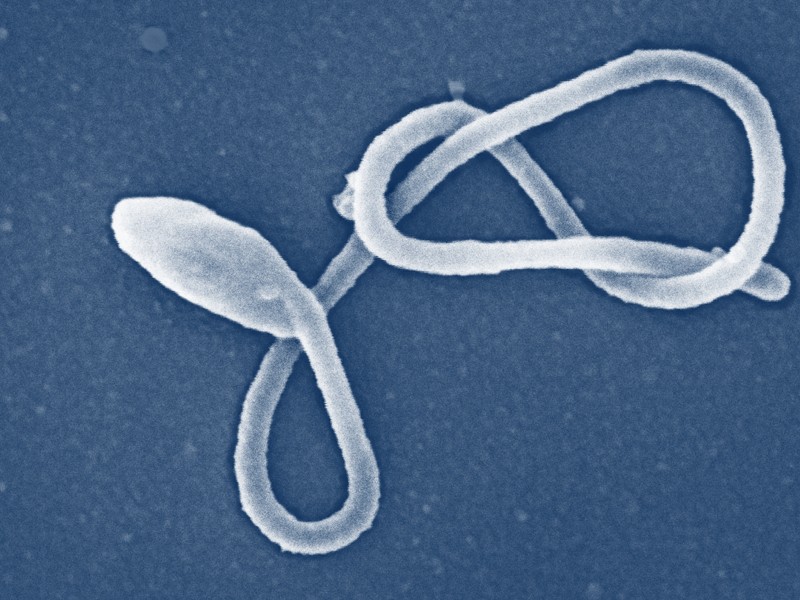
Zaire ebolavirus – commonly known as Ebola virus – is a member of the filovirus family that has been responsible for many deadly outbreaks of Ebola disease, including the devastating 2014-2016 epidemic in West Africa. Find out more about CEPI’s work to expand access to Ebola virus vaccines by supporting R&D against this virus.
Country-specific outbreaks since it was first characterised in 1976
Average case fatality rate
Socioeconomic burden of the 2014-2016 epidemic
Ebola virus - was first identified in 1976 in the Democratic Republic of the Congo (then referred to as Zaire).Ebola virus causes a rare but severe, often fatal illness in humans. Part of the filovirus family, it is transmitted to people from wild animals, following which it spreads through human-to-human transmission.The global need for CEPI was recognised after the devastating Ebola epidemic of 2014-16 in Guinea, Liberia, and Sierra Leone, which killed more than 11,000 people and had an economic and social burden of over US$53 billion.The world’s response to this crisis fell tragically short. While Ebola vaccines had been in development for more than a decade, no system existed to expedite vaccine development to respond to this type of outbreak. As a result, it was nearly a year into the epidemic before clinical trials were deployed.CEPI was set up in response to this devastating outbreak as an international, intergovernmental alliance to develop vaccines to better prepare for emerging disease threats.
The risk of Ebola virus outbreaks exists primarily in Africa.Outbreaks of Ebola virus have so far been reported in countries including the Democratic Republic of the Congo (DRC), Gabon, Guinea, Liberia, the Republic of the Congo and Sierra Leone.
The Ebola virus incubation period is typically from 2 to 21 days.A person infected with Ebola virus cannot spread the disease until they develop symptoms. Symptoms of Ebola virus can be sudden and include fever, fatigue, muscle pain, headache and sore throat.This can be followed by vomiting, diarrhoea, rash, symptoms of impaired kidney and liver function and haemorrhaging.The average case fatality rate is around 50%, but without treatment up to 90% of cases are fatal.Ebola survivors may experience long-term impacts of the disease following recovery from acute illness, including vision problems, tiredness, muscle aches, and stomach pain.
To date, two Ebola virus vaccines have achieved licensure and WHO prequalification. CEPI has supported the generation of clinical trial data for both of these vaccines.This includes funding trials to help expand access to these vaccines for vulnerable populations including people living with HIV, pregnant women, and infants.Between 2019 and 2021, CEPI led a global consortium supporting the Democratic Republic of Congo Government to conduct a large-scale clinical study with a second investigational Ebola vaccine regimen, manufactured by Janssen, the vaccine arm of Johnson & Johnson. This was part of efforts to control the outbreak in the North Kivu region of the country.
CEPI is now focused on helping to make Ebola vaccines sustainable for the future. The organisation is funding a $30 million project to make MSD’s Ebola vaccine more accessible, affordable and sustainable by updating the existing complex manufacturing process. CEPI is also supporting research to evaluate the long-term immunogenicity of Ebola vaccines and funding a study underway in DRC to investigate whether booster shots – including mix-and-match regimens – could bolster long-term resilience against the virus.CEPI also invests in vaccine development for other pathogens in the filovirus family. This includes advancing pioneering new vaccines that could provide broad protection against multiple viruses, supported by the European Union’s Horizon Europe programme.
©2026 CEPI. All rights reserved
本页为82搜索生成的网页快照,内容来自站内索引;演示数据的原文链接仅作示例。