网页
综合
更新时间 2026-11-13 15:53:15
How to Use AI for Enterprise BI - KDnuggets
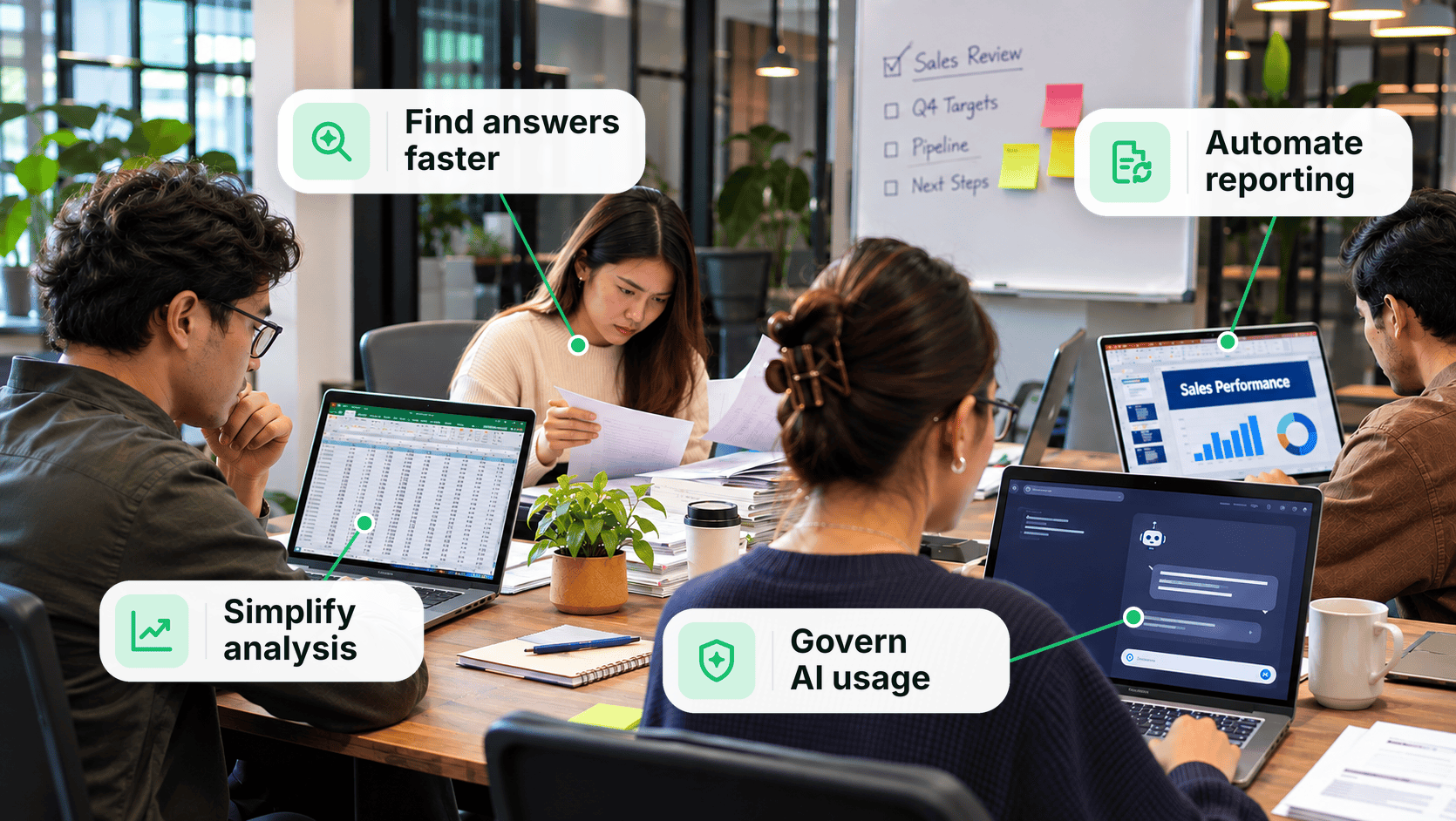
Learn how AI can make enterprise business intelligence more accessible, automate reporting, uncover insights faster, and improve decision-making with the right governance.
Businesses continue to face challenges with fragmented data, time-consuming reporting, and poor visibility into critical insights. Some still rely on spreadsheets and disconnected systems, while others have invested in business intelligence (BI) platforms but struggle to make analytics accessible and useful to more employees.
This article explores practical applications of AI in enterprise analytics and key considerations for successful adoption.
Learn how America’s leading stamp dealer is replacing manual reporting with real-time insights to improve operations while reducing IT reliance. Check out this webinar with Mystic Stamp’s IT Director for practical tips on modernizing BI and aligning implementation with enterprise needs and user expectations.
The value of business data lies in how effectively organizations can use it to understand performance and respond to changing needs. AI creates new opportunities to improve how employees work with information and get meaningful results.
Business users often depend on IT teams or analysts to answer questions that existing reports do not cover. Even self-service tools may require familiarity with data structures, report builders, or query languages. A straightforward operational question can therefore become a time-consuming reporting request.
AI-powered conversational analytics offers a more direct way to retrieve information. For example, an operations manager could ask, “How many orders are awaiting fulfillment today?” and follow up with, “Can you break that down by warehouse?” The system interprets these questions and presents the figures without requiring the manager to write SQL or build another report.
Modern BI platforms offer this capability through natural language interfaces connected to business datasets, allowing employees to get answers to everyday questions independently.
Accessing business data is one thing; deriving insights that inform timely decisions is another. Teams may have comprehensive dashboards yet struggle to connect findings across functions and understand their business implications.
AI-assisted insights can examine multiple business metrics together, propose explanations, and help users evaluate potential actions. For example, if a retailer faces recurring stockouts despite adequate overall inventory, AI in modern BI platforms could analyze demand patterns, warehouse stock distribution, and supplier lead times to suggest likely bottlenecks and replenishment priorities.
Time-sensitive findings can go unaddressed when teams struggle to communicate their significance or notify the people who need to respond.
AI helps turn analytical findings into narratives that teams can share, discuss, and use to coordinate next steps. It can also flag emerging issues and notify the people who need to respond. Nowadays, these data stories and alerts can be embedded in BI dashboards to focus users on immediate priorities.
Tune in to this fireside chat for proven advice on planning, building, and managing AI-powered business intelligence. Get tips on how to select the right solution, prepare your data, and choose test cases to deliver quicker value and encourage broader adoption.
AI can make business analytics more accessible, but its value depends on the information and business context behind the answers. Incomplete data, inconsistent definitions, or weak governance can make otherwise useful AI features harder to trust.
Modern BI platforms offer an advantage here: their managed data connections, analytical models, security, and reporting practices can provide a stronger foundation for AI-enabled analytics. The following considerations show how businesses can use that foundation to avoid common pitfalls.
A precise-looking answer is not much help if it relies on incomplete or outdated information. For example, an AI comparison of today's orders with last month's sales could be misleading if the underlying extract has not been refreshed. BI platforms help by connecting operational systems, preparing datasets, and managing refresh schedules so AI can work from a more dependable picture of the business.
Consistent information also requires consistent business definitions. If one team means gross sales by “revenue” and another means net sales, AI could return conflicting answers to similar questions. Governed metrics and semantic models in BI platforms help anchor AI responses to the same calculations and terminology used in official reports.
Natural-language access should make information easier to find, not easier to expose. A sales representative, for instance, should not gain access to restricted financial or employee records simply by phrasing a question differently. BI platforms already support roles and data-level permissions that AI interfaces can be designed to respect. Organizations also need to review what data is passed to any external AI service.
An AI-generated explanation is most useful when its supporting evidence can be checked. If AI suggests a decline is related to a particular customer segment, for instance, users should be able to examine the relevant figures and assumptions. BI reports, governed calculations, and drill-down views provide reference points for validating the finding before acting on it.
There is also context that no report captures completely. AI might suggest lowering inventory just before a major promotion, for example. With shared BI reports as a common reference, business teams can weigh the evidence alongside operational plans and decide which recommendations make sense. The platform supports the discussion; people remain accountable for the decision.
The strongest evidence of AI's value comes from daily use. Are employees finding answers faster? Are fewer routine requests reaching IT? Are teams responding sooner to important
本页为82搜索生成的网页快照,内容来自站内索引;演示数据的原文链接仅作示例。